Awakenings Brewed: The Art of Perfect Brew
In the world of morning rituals, very few things are as cherished as the humble act of brewing a great cup of coffee. For countless people, it is not just a drink; it is an encounter that stimulates the senses and fuels the day to come. As the rich aroma floats through the air, it evokes comfort, inspiration, and the promise of productivity. Within the world of coffee enthusiasts, the conversation never seems to fade, developing into a passionate exploration of flavors, techniques, and the art of brewing itself.
Our coffee blog aims to plunge into this intriguing journey, offering insights, tips, and tricks that will enhance your own coffee rituals. Whether you are a seasoned barista or someone just starting to enjoy the details of this cherished drink, there is always more to learn. Join us as we explore the ways to attain that optimal balance in flavor, the significance of fresh beans, and the advancements that continue to transform the coffee landscape. Let us embark on this caffeinated expedition with one another.
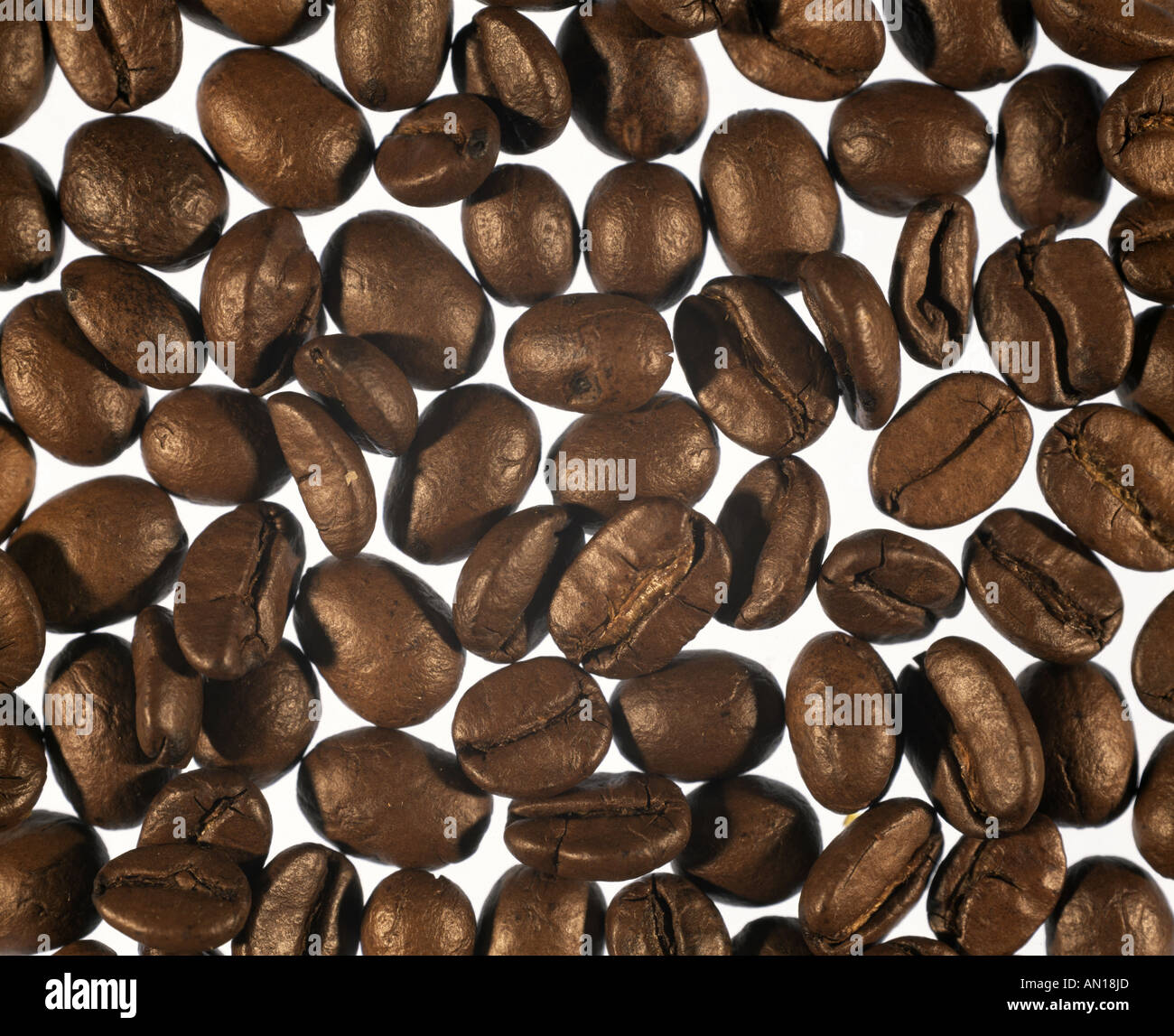
Picking High-Quality Beans
Regarding brewing the perfect cup of coffee, the key lies in the choosing of quality coffee beans. The process toward a great brew starts with sourcing coffee beans that satisfy your taste likes. Find artisanal coffee roasters who highlight single-origin coffee, as these often provide diverse flavor profiles that reflect their individual cultivation conditions. Whether you enjoy the fruity flavors of Ethiopian coffee or the chocolatey depth of Brazilian varieties, understanding the origins of your coffee can enhance your brewing experience.
Freshness is crucial in choosing coffee beans. Old beans can ruin even the most effective brewing methods, so it's important to opt for coffee that have been roasted not long ago. Ideally, look for packaging that show a roast date, which can enable you to assess freshness. After acquiring, preserve your beans in an closed container in a cool, dim place to keep their flavor and smell. Grinding your beans just before brewing will also help to extracting the most flavorful flavors, ensuring a rich cup of coffee.
Lastly, think about the roast level that matches your preferences. Coffee beans are typically roasted to different degrees, namely light, medium, and dark. Light roasts are often more acidic and keep more of their natural flavor, while dark roasts provide a more robust, smokier taste. Experimenting with multiple roast levels can help you discover your ultimate cup. Choosing quality beans tailored to your preferences is an crucial step toward mastering the art of coffee.
Brewing Techniques
Regarding crafting the perfect cup of coffee, the brewing technique plays a vital role. Various methods yield unique flavors and aromas. One example is, pour-over brewing allows for careful control over water temperature and flow, resulting in a clear and bright cup. The important aspect is to ensure even saturation of the coffee grounds, which can enhance the extraction of those rich flavors you’re aiming for.
The French press is another beloved technique, known for its robust results. The coffee grounds steep straight in hot water, which helps to extract oils and small particles. This method produces a richer texture and a rounder flavor profile. To get the best your French press, consider the grind size of your grind and the steeping time, which both significantly influence the final taste.
Espresso brewing is a technique that emphasizes speed and intensity. By forcing hot water through finely-ground coffee under pressure, this method creates a strong shot with a creamy crema on top. Mastering espresso requires a well-calibrated machine and consistent grind size, but the reward is a strong, intense flavor that serves as the base for numerous coffee drinks. Trying out with click here can lead you to discover your ideal coffee experience.
Flavor Profiles
While navigating the world of coffee, an exhilarating part is the diversity of flavors that distinct beans and techniques can produce. Each coffee origin carries unique characteristics influenced by the atmosphere, ground, and elevation where it is grown. As an illustration, Ethiopian coffees are generally celebrated for their fruity and floral notes, but Colombian beans may reveal a well-rounded sweetness with subtle notes of caramel and nuts. Understanding these profiles is important for any coffee enthusiast aiming to appreciate the intricacies of their brew.
The roasting technique further plays a major role in developing flavor. Light roasts generally maintain the natural acidity and brightness of the beans, typically producing flavors of citrus and berries. In contrast, medium roasts achieve equilibrium, showcasing both the bean's origin and the roast's impact, with flavors varying between chocolatey to nutty. Dark roasts, however, can mask the beans' origins, providing a bold, robust profile with deep caramelized notes and smokiness. Opting for a roast that matches your taste preference can elevate your coffee experience.
Finally, the brewing method profoundly impacts the final flavor. Methods like pour-over and French press highlight various elements of the coffee's profile. Pour-over often emphasize clarity and brightness, while French press isolates a fuller body and richness. Exploring different brewing techniques enables coffee lovers to unlock a myriad of flavors from the identical beans. Finding the perfect combination of bean, roast, and brewing method is where the true art of coffee resides, inviting you to discover and enjoy the depths of its flavors.